
THE SIGNAL STUDIO
Helping organisations make AI useful in practice.
We help organisations move from informal AI use to clearer workflows, stronger systems and practical capability.
The work brings people, work, information, governance and technology together so AI becomes part of a coherent operating environment, not another disconnected tool.
What it is
From AI experimentation to better ways of working
The Signal Studio helps organisations move beyond scattered tools and informal experimentation.
We bring together people, workflows, information, governance and technology so AI can support the real work of the organisation.
Who it's for
Who we work with
We work with business owners and teams that can see the potential of AI but need a practical way to apply it.
Often, work is slowed by manual processes, scattered information, unclear ownership or systems that no longer fit.
What we do
We improve the way work gets done
That can begin with AI readiness, a repeated workflow, or a specific solution that needs to be designed and embedded.
We focus on what will be useful, who needs to own it, and how it will work safely in practice. This is translation, not hype. We work from the reality of the organisation so changes land, get used and improve over time.
How we work
Practical, human-led implementation
AI is never treated as a tool problem alone. We look at the people, work, information, governance and technology around it, then build enough structure for the change to work in practice.
People and incentives matter. Readiness comes before scale. Clarity is more useful than urgency.
Founder
Michelle Williams
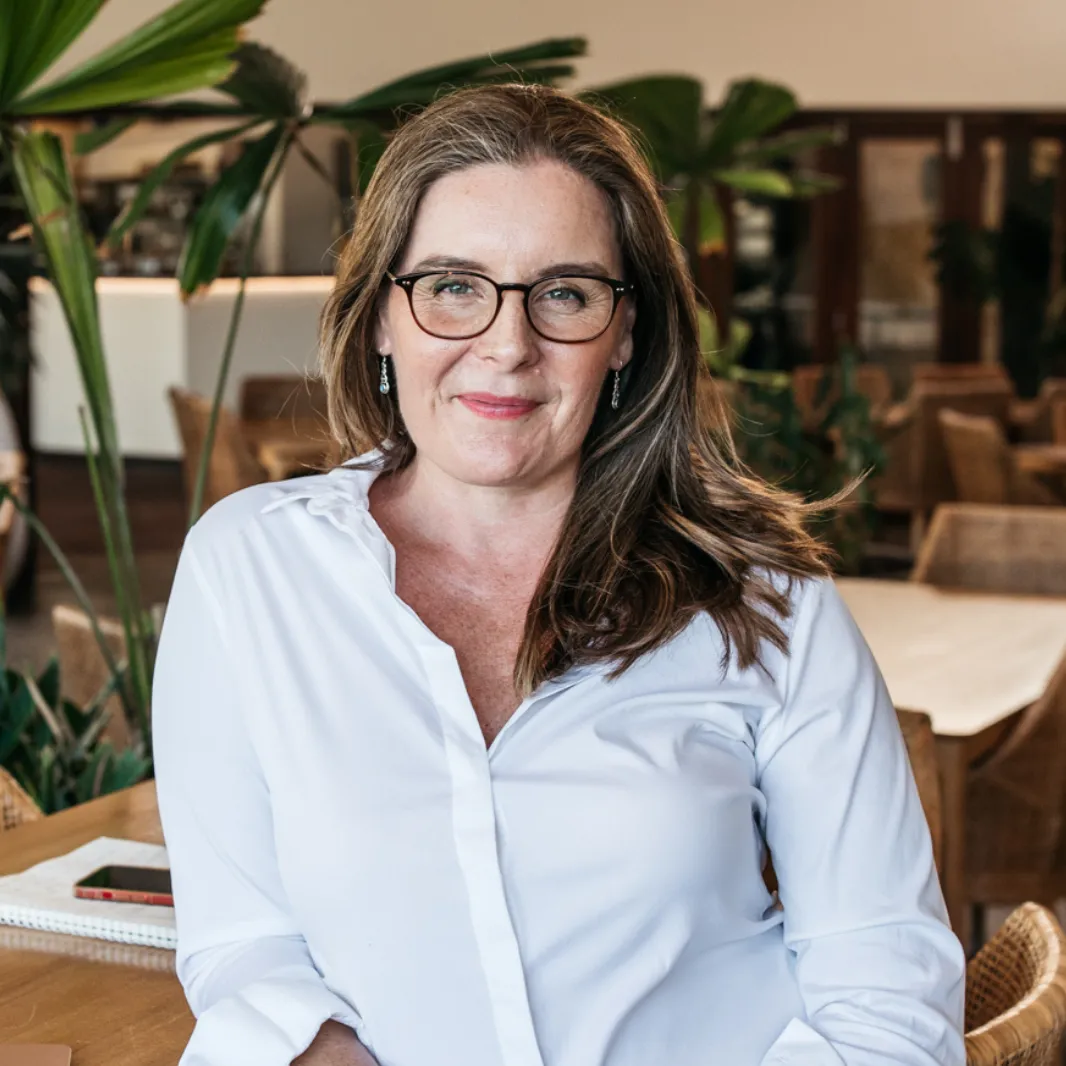
Michelle Williams is the founder of The Signal Studio.
She has spent more than 25 years across technology, startups, and innovation ecosystems, including producing events within Vivid Ideas, leading Sydney Startup Week, and contributing to Sydney's last major innovation wave.
Today, she helps teams make sense of AI in practical terms through clearer systems, better workflows, and real capability.
About FAQs
How do we stop AI creating more work or risk?
By improving the workflow around it. We define what AI can do, what stays human, which information it can use, who owns the result and how outputs are reviewed or escalated. Missing context is not treated as a prompt-writing problem.
How do you handle privacy and safety?
We work with sensible guardrails: what can be automated, what must stay human, where data lives, and how access is managed. If you are dealing with sensitive data, we design workflows that minimise exposure and keep audit trails.
Which workflows should we improve first?
Prioritise work that is repeated, time-consuming, inconsistent or difficult to see across the business, especially where better information or clearer ownership would make a measurable difference. The best first workflow is useful enough to matter and contained enough to test safely.
Ready to make AI useful in practice?
Start with a clear view of where AI can improve the way work gets done.