
What is changing for builders as agentic workflows become more common?
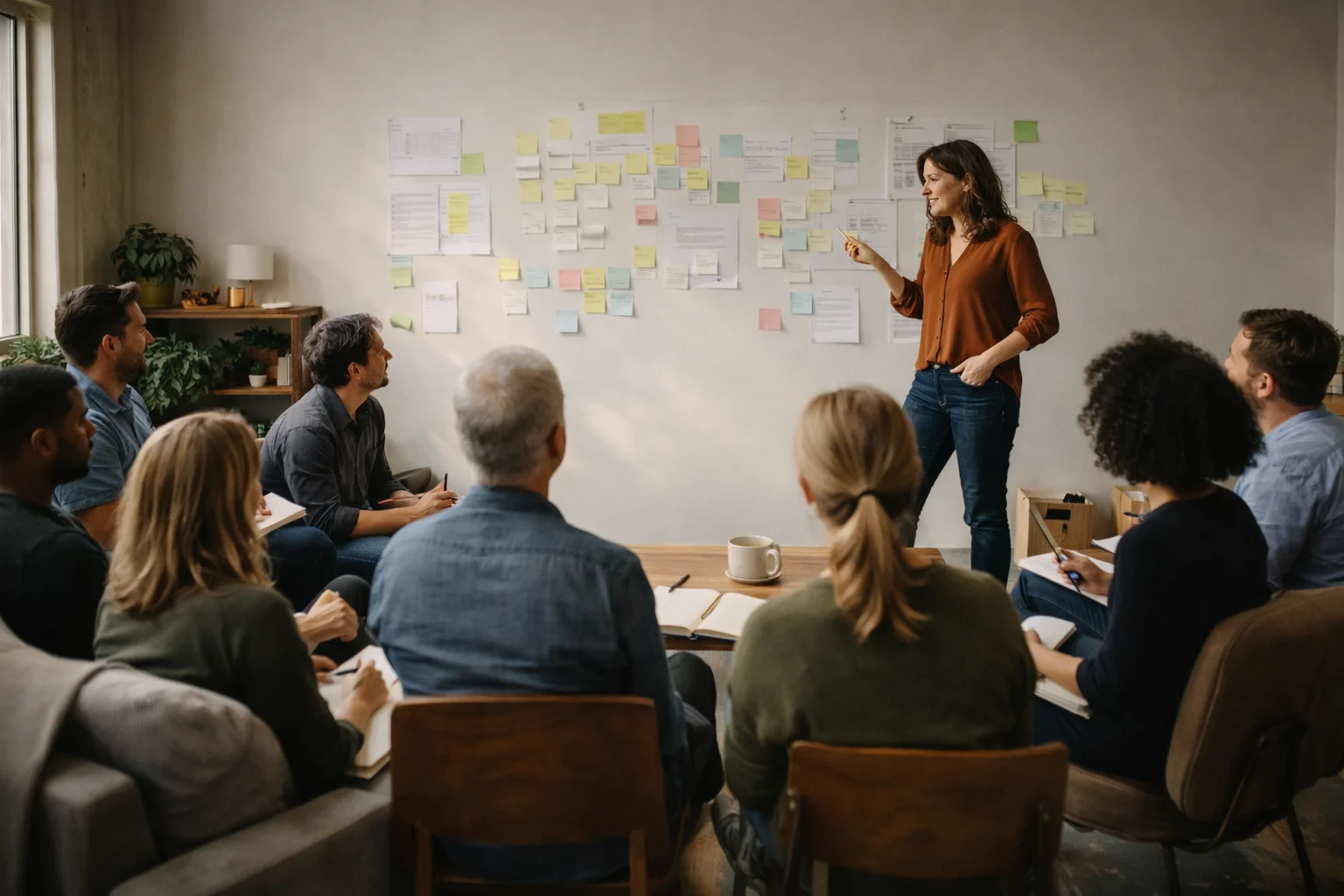
Last week's Agentic meetup surfaced a useful signal for anyone building with AI right now.
The conversation was less about any one tool, and more about the shift happening underneath. Builder work is changing. Some parts are speeding up quickly, while others, planning, review, testing, deployment, and coordination, are becoming the new constraints.
That is where the most interesting learning is now sitting.
What kept repeating
One pattern came up again and again. Engineering speed is increasing, but planning, testing, deployment, and PR management are becoming the new constraints.
The work is shifting away from writing code as the primary bottleneck. More of the value now sits in defining the task clearly, scoping it well, reviewing outputs properly, and shipping safely.
Customer expectations are changing too. As more people understand what AI makes possible, the pressure on teams is not just to build, but to respond faster and more clearly.
The appetite is not only for tools. It is for practical ways to learn what works, compare notes, and build confidence through shared experience.
Where the bottlenecks are moving
As agentic workflows mature, the centre of gravity in builder work is moving up a level.
The key question is no longer only who can produce code fastest. It is who can frame the task well, set the right boundaries, review output carefully, and move work into production with confidence.
That changes how teams need to think about capability. It also changes what kinds of spaces and conversations are actually useful for builders now.
What builders are learning in practice
One of the clearest takeaways from the meetup was that the practical layer matters more than the hype layer.
- Setup needs more rails.
- Pre-flight checklists help.
- Pairing helps.
- Fallback paths matter when installs fail or environments behave unpredictably.
Another important signal was that beginner and experienced builders both want to engage with this shift, but they do not always need the same kind of support. That is useful design input for how builder spaces can evolve.
Why rooms like this matter
What this meetup surfaced is that builders do not only need access to new tools. They need environments where they can test assumptions, compare workflows, and learn from each other in a way that is grounded in real work.
That is especially important in a moment where patterns are still emerging, best practice is still uneven, and many teams are working out these changes in real time.
If you are asking questions like this
- How are agentic workflows changing software development?
- Where are the new bottlenecks in AI-assisted product work?
- What matters more than tools for builders right now?
- Why do shared learning environments matter for AI builders?
What happens next
The broader opportunity here is to keep building spaces where builders can make sense of this shift together.
We plan to keep running more Agentic sessions as the practice evolves, so people can keep comparing patterns, testing assumptions, and learning together as the work changes.
If you are building in this space, keep an eye on the events page for upcoming sessions. We will keep making space for practical conversations, shared learning, and the real questions that sit underneath the tools.